Intumescent Coatings NZ | Steel Fire Protection | CAKE Group

Intumescent Coatings in New Zealand

Intumescent coating is a paint-like fire protection coating that expands in a fire to insulate structural steel and slow the rate at which it heats up. CAKE applies thin film and thick film systems to steel and other substrates on commercial and industrial projects throughout New Zealand, and we helped develop the code of practice the industry now works to.

Last updated: October 2026

Our Services

Intumescent coating services

01

Thin film intumescent coatings, water-borne and solvent-borne

02

Thick film epoxy systems including Chartek 1709 and 212

03

Approved applicators for Akzo Nobel, Altex, Zone Phoenix and Resene

04

Live quality assurance reporting throughout every project

05

Voluntary third-party independent inspection

We are on-site applicators, preparing and coating steel in place. That avoids holding up fabrication while steel sits in a paint shop, avoids the cost premium of off-site work, and means the connection points that cannot be coated off-site are handled correctly.

We use dehumidification, fume extraction and VOC management to work safely in occupied and sensitive environments, including within a few metres of the travelling public. On one major project our approach to VOC management became the basis for the client's own specification.

Our spray equipment is selected for each job from a range that covers every intumescent system we apply, and it travels nationwide in our own vehicles and trailers.

How it works

What intumescent coatings do

An intumescent coating looks much like paint and stays stable at normal temperatures. In a fire, heat triggers a chemical reaction that causes it to expand to many times its original thickness, forming an insulating char layer over the substrate.

That layer slows the rate at which steel heats up. Steel loses strength as its temperature rises, and unprotected it can reach the point of structural failure well before a building is evacuated. Intumescent coatings buy the time that fire design depends on.

They are applied to structural steel, timber and plasterboard across commercial buildings, industrial facilities, hospitals, education facilities, transport infrastructure and large-scale developments. Because performance depends on applied thickness, the quality of application matters as much as the product specified.

Systems

Thin film vs thick film intumescent coatings

The two main intumescent system types protect steel the same way but suit different jobs. The fire design, the service environment and the finish required decide which one is specified. CAKE applies both.

Thin film and thick film intumescent systems compared
Feature Thin film Thick film epoxy
What it is A paint-like coating applied in thin layers. Available as water-borne and solvent-borne systems. An epoxy-based system applied to a greater thickness. CAKE applies systems including Chartek 1709 and 212.
Where it is commonly used Structural steel in commercial buildings, particularly where the steel is exposed and a smooth finish matters. Projects needing tougher, more durable protection, including industrial and harsher service environments.
Finish Can be finished with a decorative topcoat to the specified colour. A more robust, utilitarian finish.
Cost to apply Generally lower. Generally higher, though the required rating and environment often decide which is appropriate.
Application

On-site vs off-site intumescent application

Intumescent coating can be applied on site or in a fabricator's paint shop. CAKE applies on site. Off-site application suits some projects, but it brings trade-offs that are worth weighing at design stage.

Connections are coated on site either way

Connection areas, such as friction grip surfaces, have to be masked during off-site coating. Those areas still need coating on site once the steel is erected.

Programme risk moves, it does not disappear

A delay to off-site coating holds up steel delivery and everything behind it. A delay on site still lets follow-on trades carry on and work around it.

Off-site carries a cost premium

Coating in the shop takes up fabricator floor space and slows fabrication, and that cost is passed on.

Weather is a managed risk

The usual concern with on-site work is weather. We manage it with dehumidification, VOC management and fume extraction.

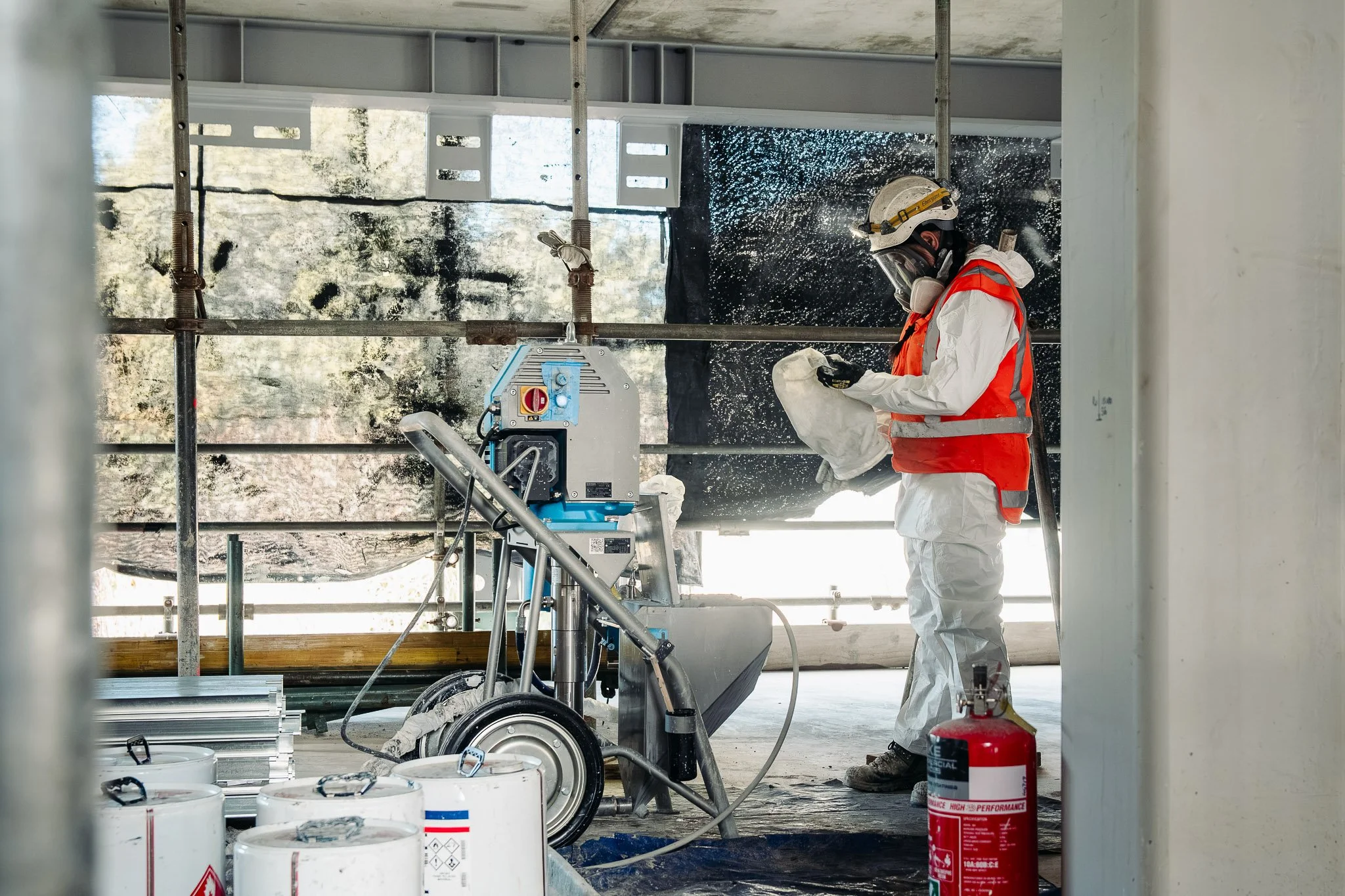
CAKE team on site at the Carlaw Student Village project in Parnell, Auckland
Our Team

Our team and track record

Our applicators are NACE qualified and Train the Painter accredited, and every team member is trained in our quality assurance procedures and specifications. There is no recognised New Zealand qualification for protective coatings application, so we brought training in from overseas and now deliver it ourselves, backed by a full-time training manager and a full-time quality manager.

When intumescent application in New Zealand was largely unregulated, coating failures were common. Working with the Fire Protection Association and Auckland Council, we were closely involved in developing the code of practice for the specification and application of intumescent coatings. We also pushed the market toward epoxy systems years before they were widely accepted, investing in the equipment to apply them when almost nobody else would. Those systems are now standard.

Compliance

Intumescent coatings and the NZ Building Code

The fire rating required for structural steel comes from the building's fire design, within the Protection from Fire provisions (clauses C1 to C6) of the New Zealand Building Code. The coating system, applied thickness and steel section size are then selected to achieve that rating. You can read the provisions on the Building Performance website.

CAKE worked with the Fire Protection Association and Auckland Council on the code of practice for the specification and application of intumescent coatings.

Experience

Intumescent coating projects

A selection of intumescent coating projects delivered for main contractors in Christchurch, Auckland and Wellington.

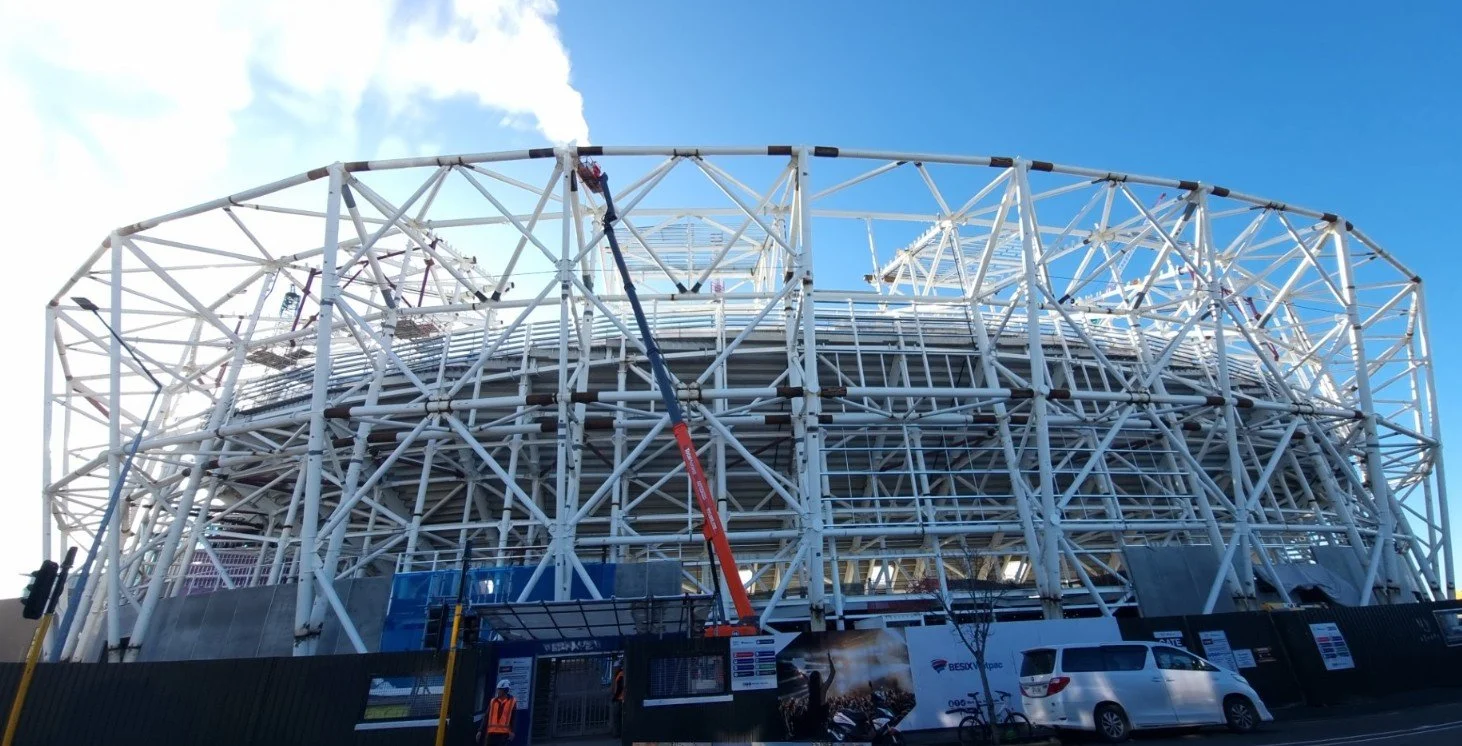
Te Kaha Stadium West Stand steelwork coated by CAKE, Christchurch

One New Zealand Te Kaha Stadium, Christchurch

Intumescent coating, with a decorative topcoat on high-profile areas, for the West Stand steel of Christchurch’s 25,000-seat arena. Our scope later grew to the radial trusses around the perimeter, almost tripling the initial contract value.

Read the Te Kaha Stadium project
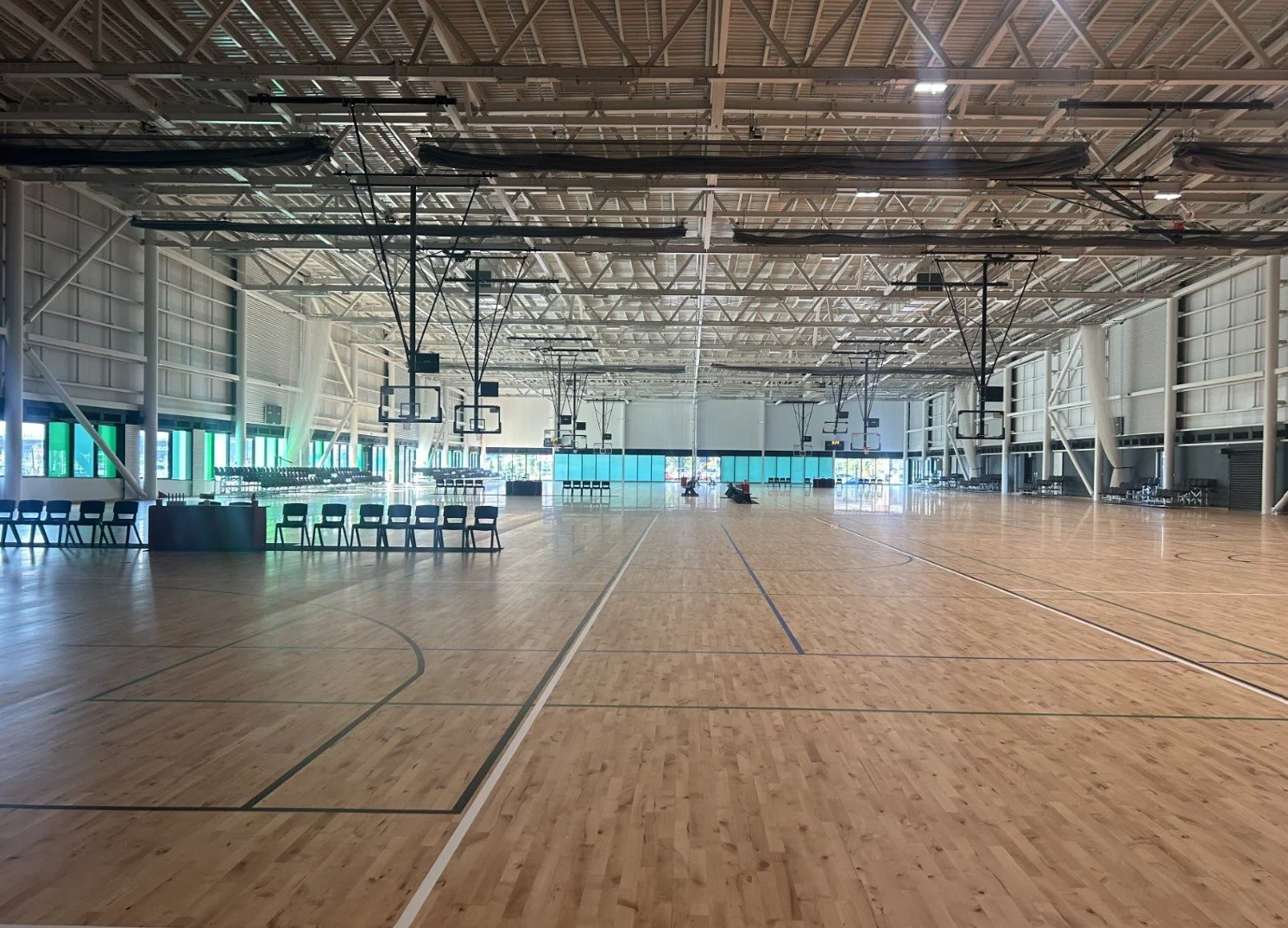
CAKE coating work at the Parakiore Sports Facility, Christchurch

Parakiore Sports Facility, Christchurch

Epoxy, thin film and timber intumescent plus concrete, masonry and pool-environment coatings, including 24,199 m² of structural steel. We stayed on as the go-to contractor to remediate and re-coat after the main trades finished.

Read the Parakiore Sports Facility project
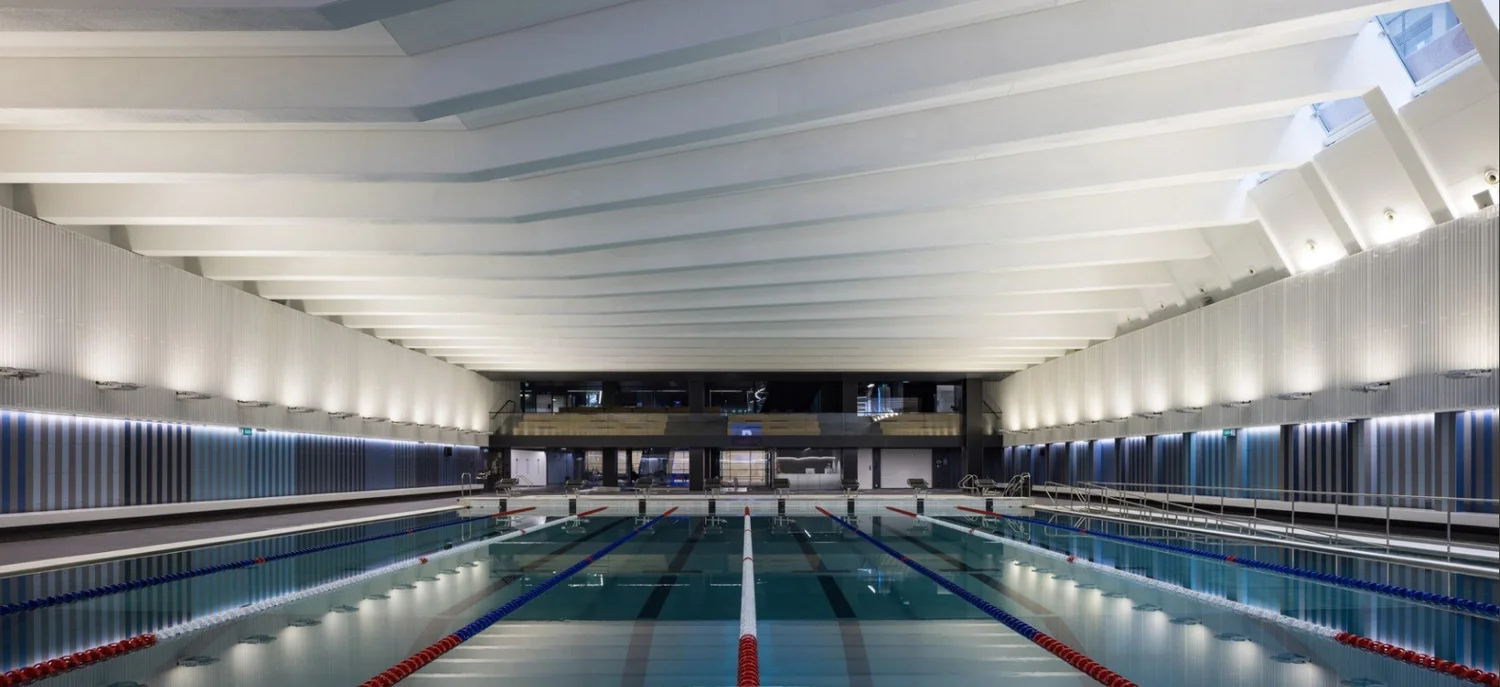
Intumescent-coated steel at the University of Auckland Recreation and Wellness Centre

University of Auckland Recreation and Wellness Centre

More than 30,000 m² of steel fire-rated with thin film and epoxy intumescent systems, where the finish mattered as much as the protection. The centre’s design has been recognised with nominations and awards.

Read the Recreation and Wellness Centre project
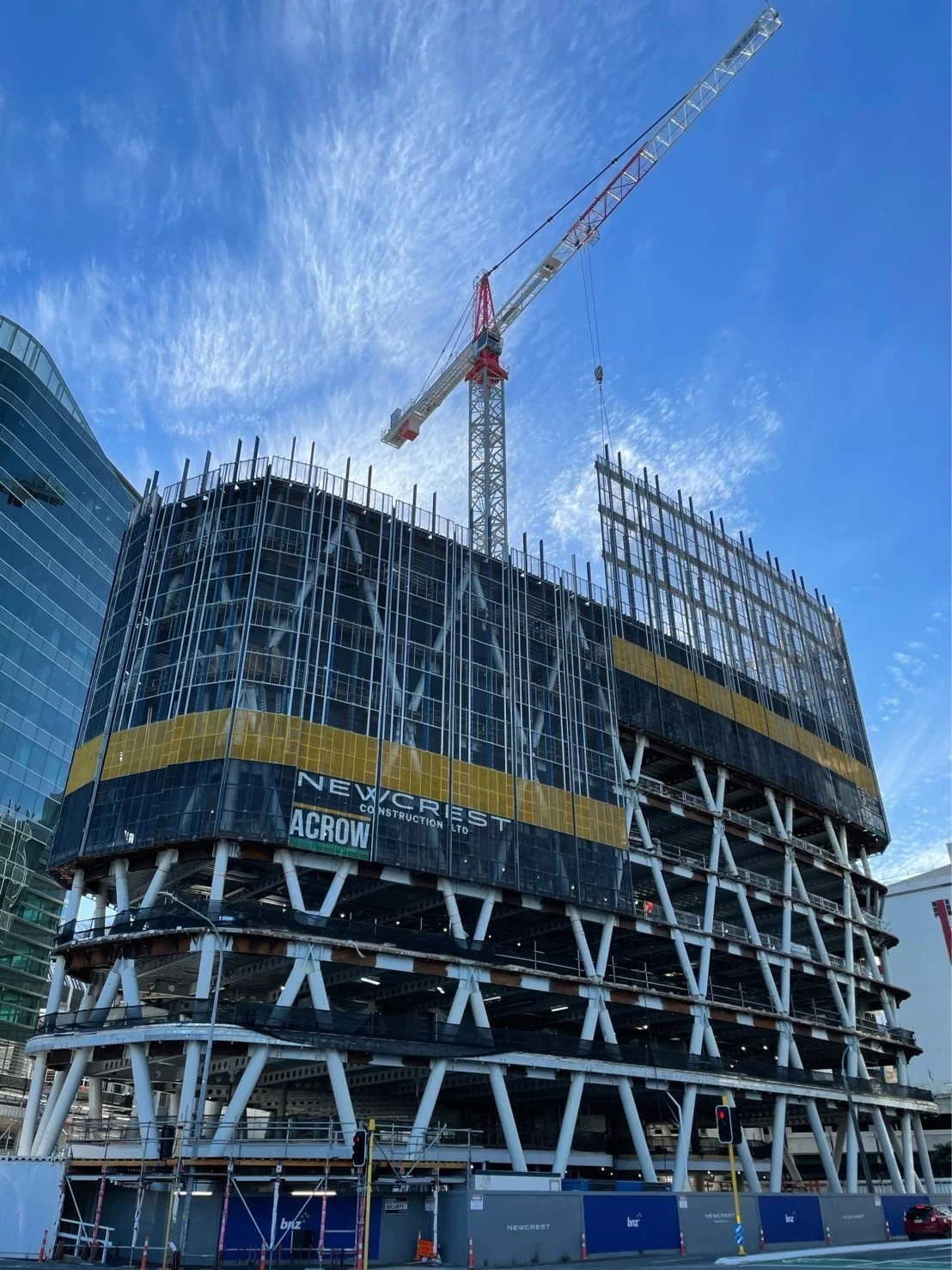
Intumescent-coated steel at the BNZ office on Whitmore Street, Wellington

BNZ office, Whitmore Street, Wellington

Interchar 3120 applied directly to the black steel across 13 floors of the new BNZ offices in the Wellington CBD, working with Newcrest Construction.

Read the BNZ Whitmore Street project

Intumescent coating across New Zealand

We deliver intumescent coatings nationwide from bases in Auckland, Wellington and Christchurch. Our South Island team covers Christchurch and the wider region, including Queenstown, Wanaka, Central Otago and Southland.

We take on projects at any scale. Large complex builds are a significant part of what we do, and so is smaller remedial work — so it is always worth asking.

Frequently asked questions

Have a question that is not covered here? Get in touch and we will point you to the right person.

Intumescent coating is a paint-like fire protection coating applied to structural steel. In a fire it expands to many times its original thickness and forms an insulating char layer that slows the rate at which the steel heats up.

Ratings typically range from 30 to 120 minutes or more. The rating achieved depends on the coating system, the applied thickness and the section factor of the steel being protected, so it is set by the fire design rather than the product alone.

Thin film systems are applied in thin layers and finish much like paint, and come as water-borne or solvent-borne products. Thick film systems are epoxy-based and applied to a greater thickness. Which is appropriate depends on the required rating, the service environment and the finish needed.

CAKE applies intumescent coatings on site. Off-site coating adds a cost premium and can hold up steel delivery if the shop is delayed, while on-site application lets follow-on trades work around the coating. Connection points still need to be coated on site either way.

Fire performance depends on applied thickness, so thickness is measured and recorded during application and checked against the specification. CAKE provides live quality assurance reporting on every project, and voluntary third-party independent inspection is available.

The main drivers are the required fire rating, the size and shape of the steel sections, the total surface area, and site access. Thin film systems generally cost less to apply than thick film epoxy systems, though the required rating and service environment often decide which is appropriate.

It can, depending on sequencing. On-site application usually gives more flexibility, because follow-on trades can often continue around the work, whereas a delay to off-site coating holds up steel delivery and everything behind it. We prefer to be involved before contract so this can be planned properly.

Yes. A decorative topcoat can be applied over the intumescent system to achieve the specified colour and finish without affecting fire performance.

Intumescent coating protects structural steel so it holds its strength in a fire. Fire stopping seals the gaps where pipes, cables and ducts pass through fire-rated walls and floors. Both are passive fire protection, but they use different systems and happen at different stages of a build.

Talk to us about your project

Tell us what you are working on and we will get you to the right team. We are set up to engage early, before contract, where we can add the most value.