
A practical guide to environmental assessment, surface preparation, coating selection, application quality and planned maintenance.
You prevent corrosion on structural steel by assessing the environment, preparing the surface properly, choosing a compatible coating system, controlling how it is applied, verifying the work and maintaining the asset over time.
Structural steel is used throughout New Zealand because of its strength, durability and versatility. Without appropriate protection, however, steel will naturally corrode when exposed to moisture, oxygen and environmental contaminants.
Preventing corrosion, sometimes called corrosion mitigation, is about more than applying paint. Long-term performance depends on understanding the exposure environment, preparing the surface correctly, selecting a compatible coating system, controlling application conditions and maintaining the asset throughout its service life.
The six essentials
- Assess the exposure environment
- Design out water and contaminant traps
- Prepare the steel to the required standard
- Select a compatible system for the required durability
- Apply and cure the coating under controlled conditions
- Inspect, document and maintain the asset
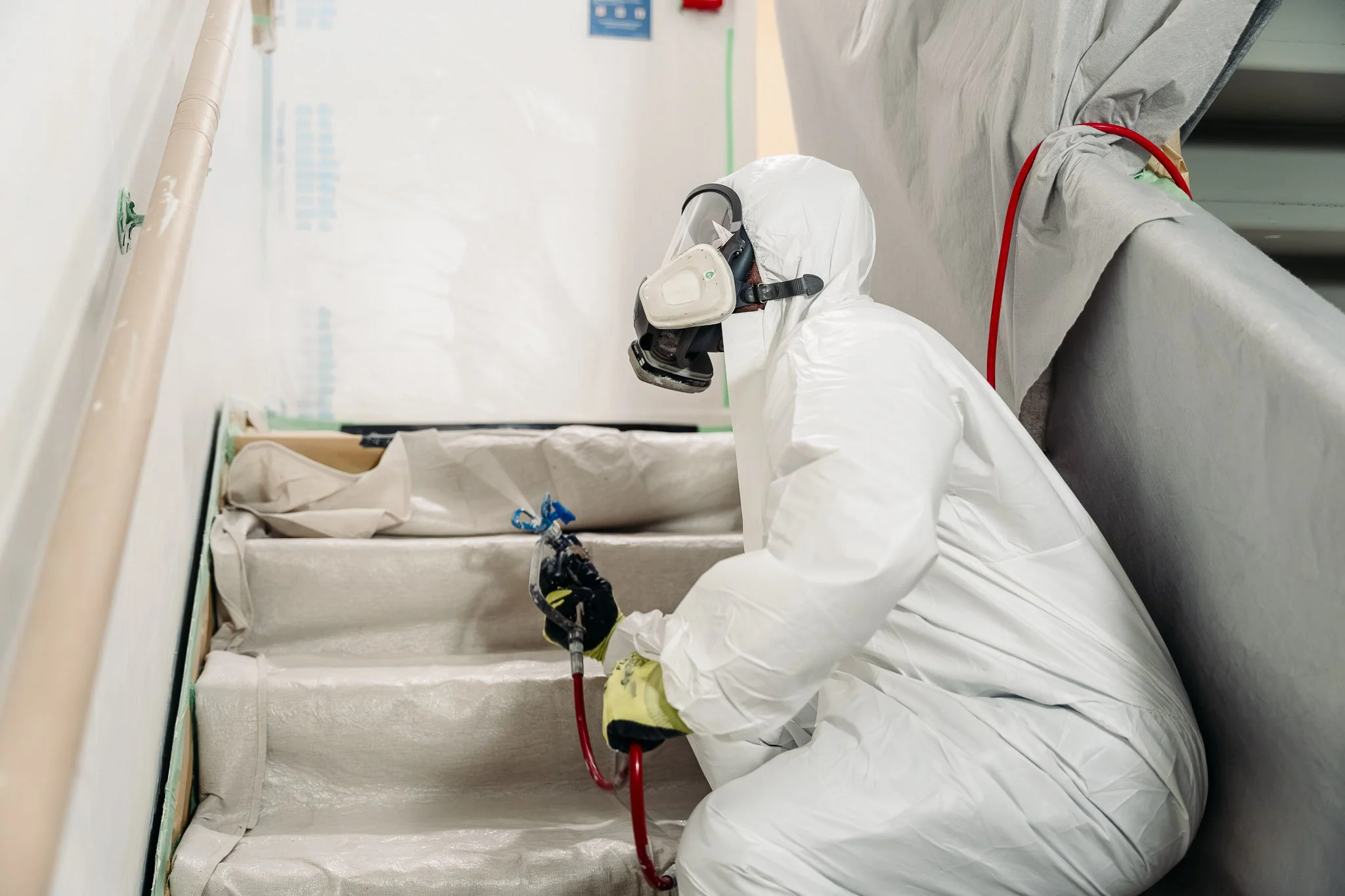
Why does structural steel corrode?
Corrosion is an electrochemical process that occurs when steel is exposed to moisture and oxygen. Coastal salts, industrial pollutants, chemical contamination, condensation and persistent moisture can accelerate the process.
Coating failures often begin at edges, welds, bolts, crevices and connection points where coverage may be reduced or contaminants can collect. These areas require particular attention during preparation, stripe coating, application and inspection.
1. Assess the environment
The same coating system will perform differently in a dry internal building, a coastal structure, a wastewater plant and a continuously immersed tank.
AS/NZS 2312.1 provides guidance on selecting paint coating systems for structural steel and classifies atmospheric corrosivity from C1, representing very low corrosivity, through to C5 and CX for highly aggressive conditions. The classification is an important starting point, but it should not be the only design input.
CAKE has applied environmental coatings at C3 on Te Kaha Stadium and at C4 on the Parakiore Sports Facility, both in Christchurch.
- Atmospheric, immersed, buried or splash-zone exposure
- Coastal chlorides, industrial emissions and chemical exposure
- Condensation, washdown, UV, abrasion and operating temperature
- Access for application, inspection and future maintenance
- Required durability and the consequences of coating failure
2. Invest in proper surface preparation
Surface preparation is often the most important factor affecting coating life. Even a high-performance system is unlikely to achieve its expected durability if it is applied over corrosion, contamination or an unsuitable surface profile.
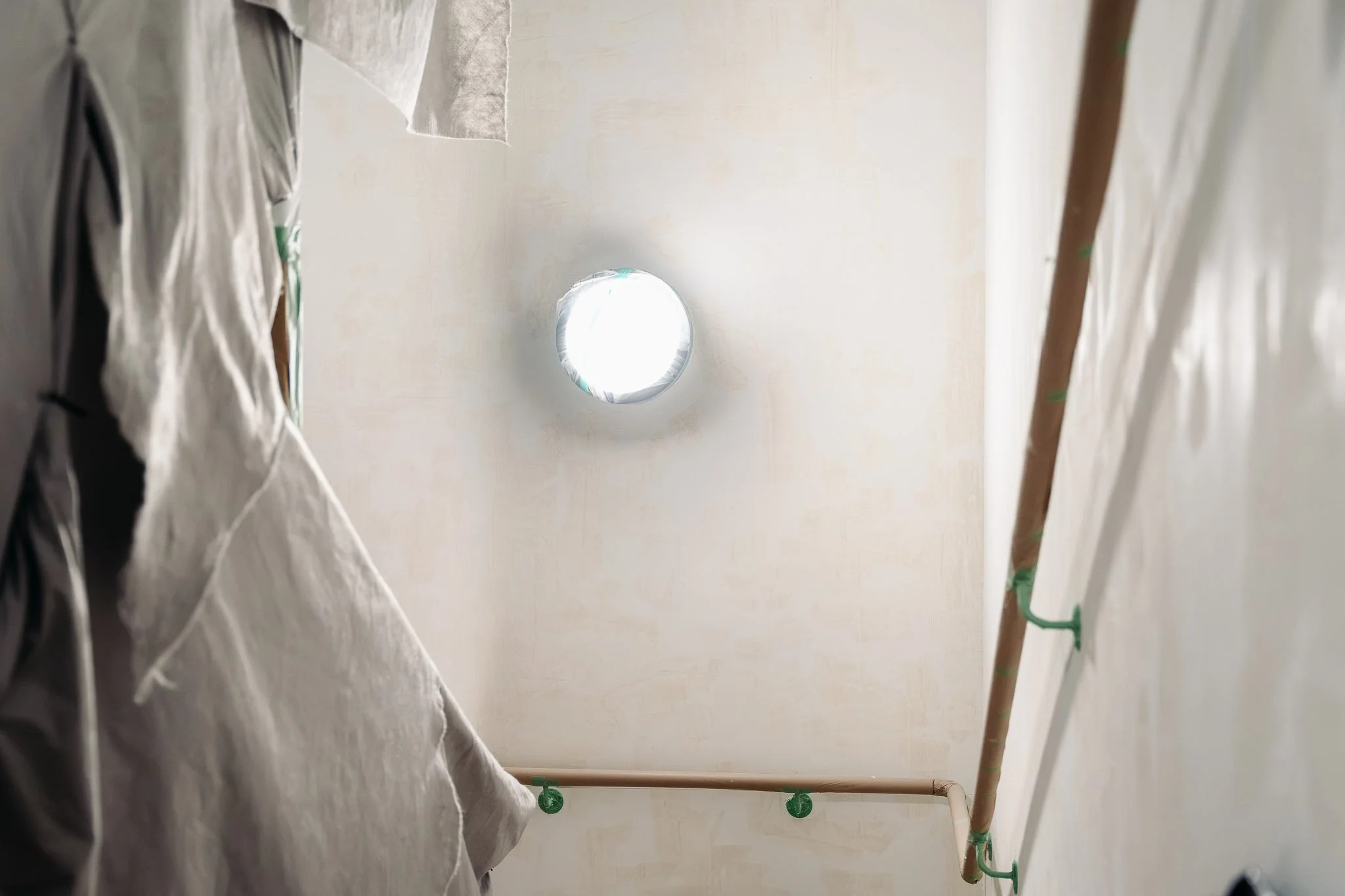
- Remove oil, grease, salts, rust, mill scale and failed coating
- Use abrasive blasting or mechanical preparation appropriate to the system
- Achieve the specified visual cleanliness and surface profile
- Treat welds, sharp edges, laminations and fabrication defects
- Remove dust and verify the prepared surface before coating
ISO 8501-1 is commonly used to specify visual preparation grades, including blast-cleaning grades such as Sa 2.5. Visual cleanliness alone does not confirm that soluble salts have been removed or that the required surface profile has been achieved. These may require separate testing.
3. Select the right protective coating system
Protective coatings for structural steel are not one-size-fits-all: there is no universal coating system for every environment. Selection should consider exposure, required durability, substrate condition, achievable preparation, UV, chemicals, temperature, access, maintenance requirements and whole-of-life cost.
Many industrial systems use a zinc-rich primer, epoxy intermediate coats and a polyurethane or other weather-resistant topcoat. Each layer performs a different role, and all products must be compatible and applied within the manufacturer’s stated requirements.
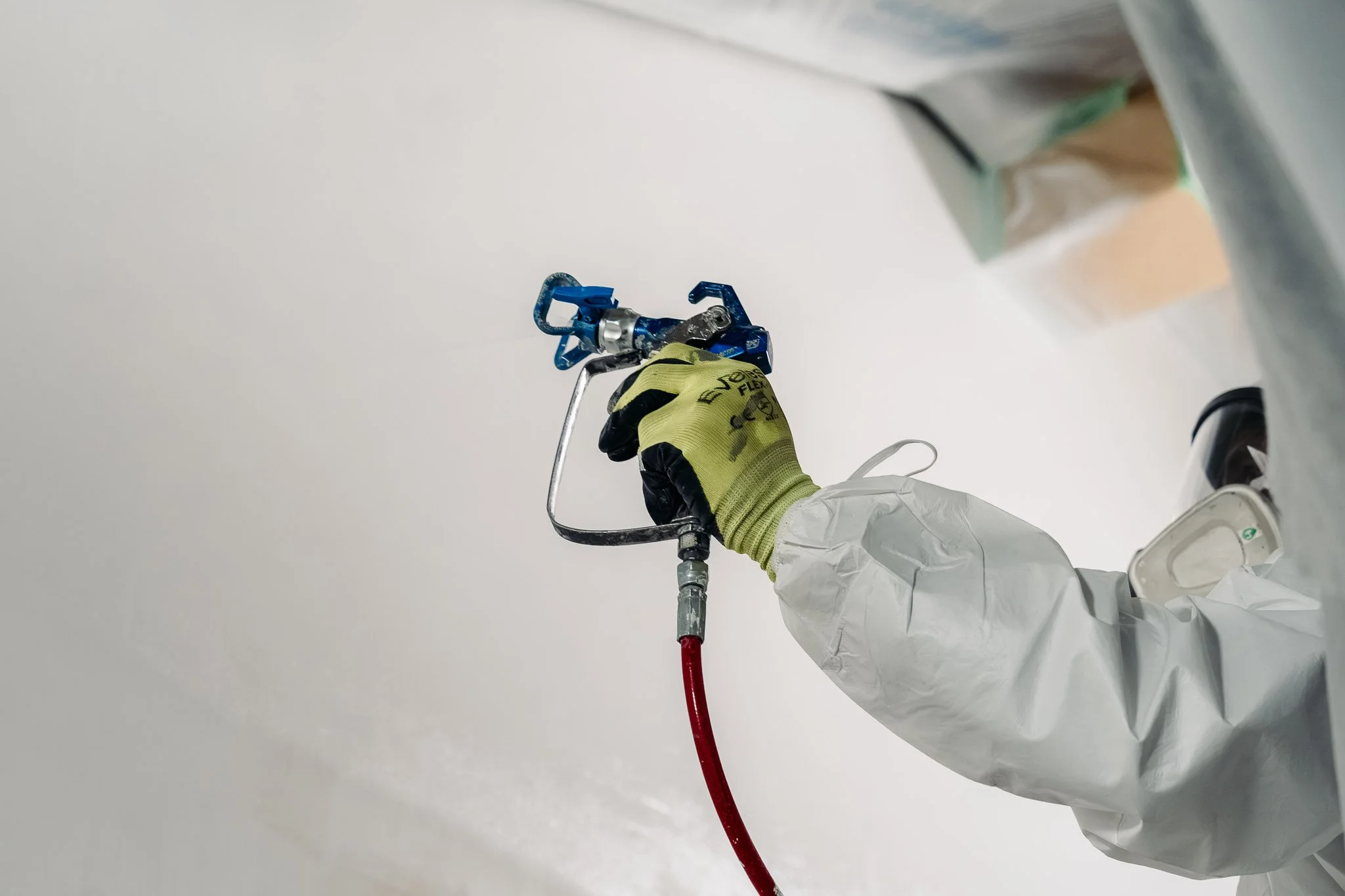
Durability is not the same as a warranty. Actual performance depends on steel detailing, preparation quality, achieved film thickness, application conditions, site damage, maintenance and the accuracy of the original environmental assessment.
4. Control application quality
A correctly specified system can still fail prematurely if it is applied outside its required conditions. Critical controls include air and steel temperature, relative humidity, dew point, wet and dry film thickness, mixing, pot life, recoat windows and curing.
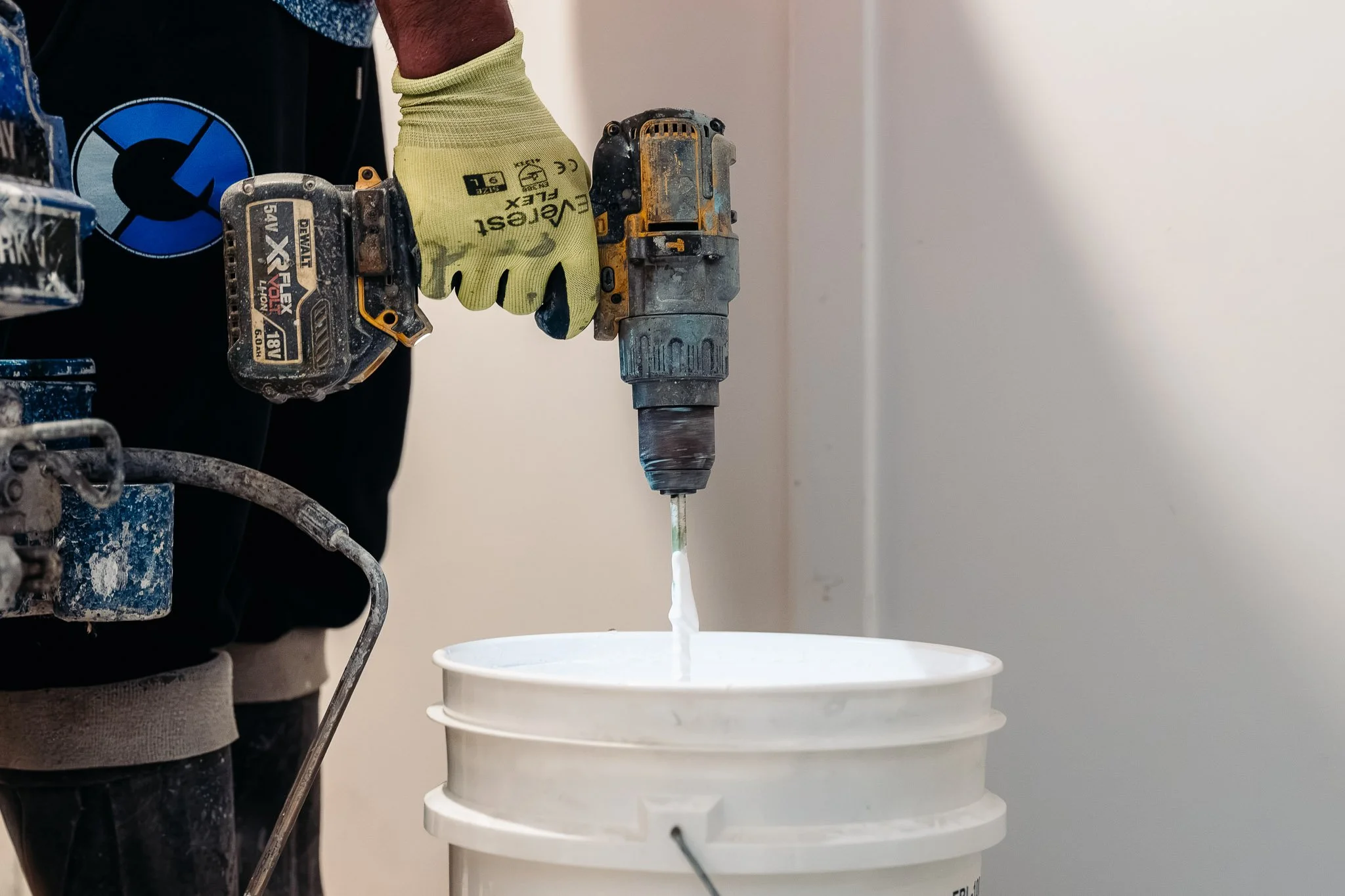
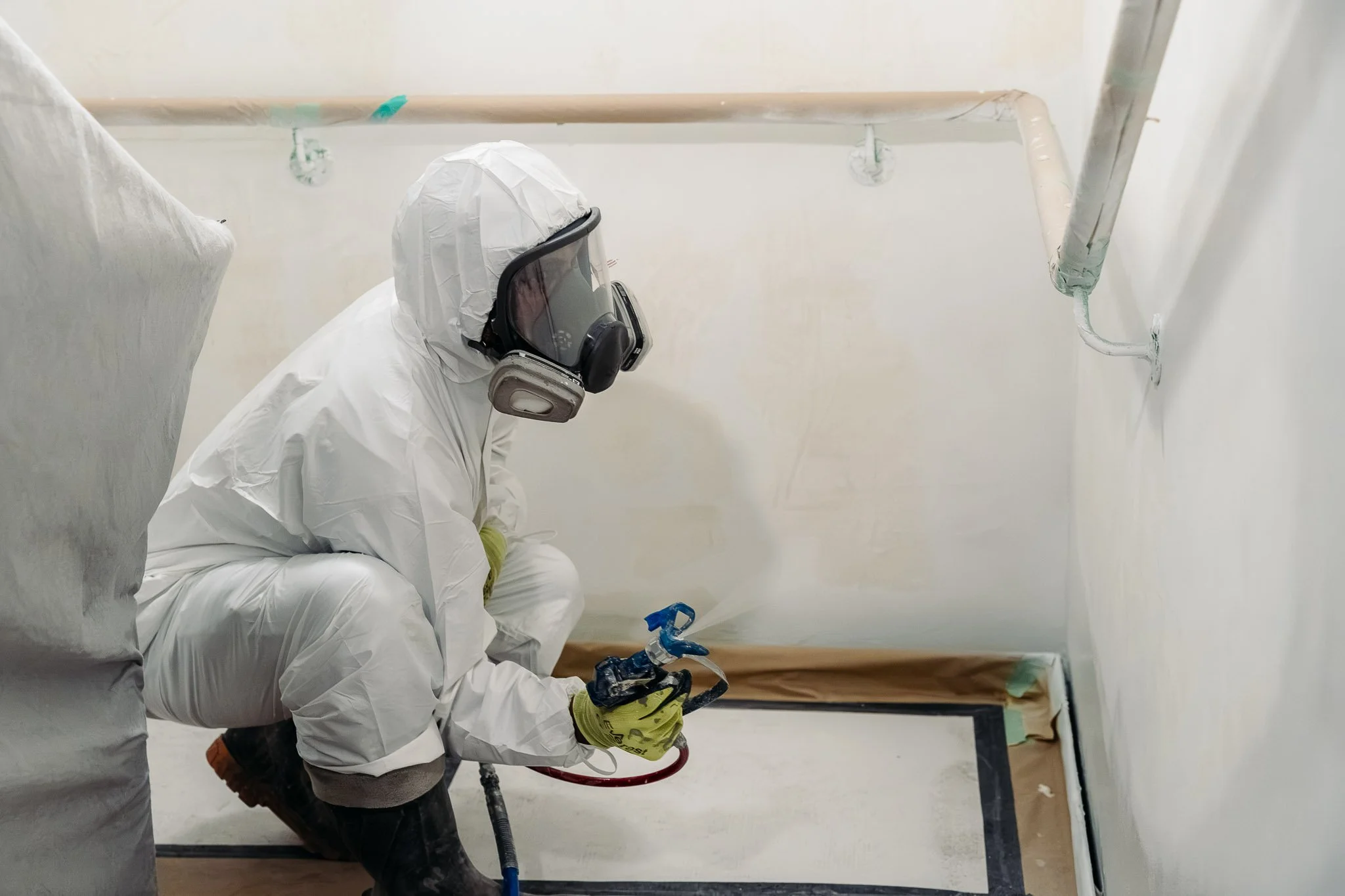
Environmental conditions should be measured at the workface and recorded during coating. In enclosed or challenging environments, dehumidification, heating, ventilation and extraction may be required to maintain suitable conditions and manage fumes or airborne contaminants.
Edges, welds, bolts and complex connections commonly require stripe coating to build film thickness before or between full coats.
5. Verify through inspection and quality assurance
Quality assurance should demonstrate that the specified process was completed, not simply that paint was applied. A project-specific inspection and test plan may include hold points and verification for:
- Surface cleanliness, profile, dust and soluble salts
- Environmental conditions and coating batch details
- Mixing, application times and recoat intervals
- Stripe coating and wet film thickness
- Dry film thickness and curing
- Coating continuity, adhesion or other specified testing
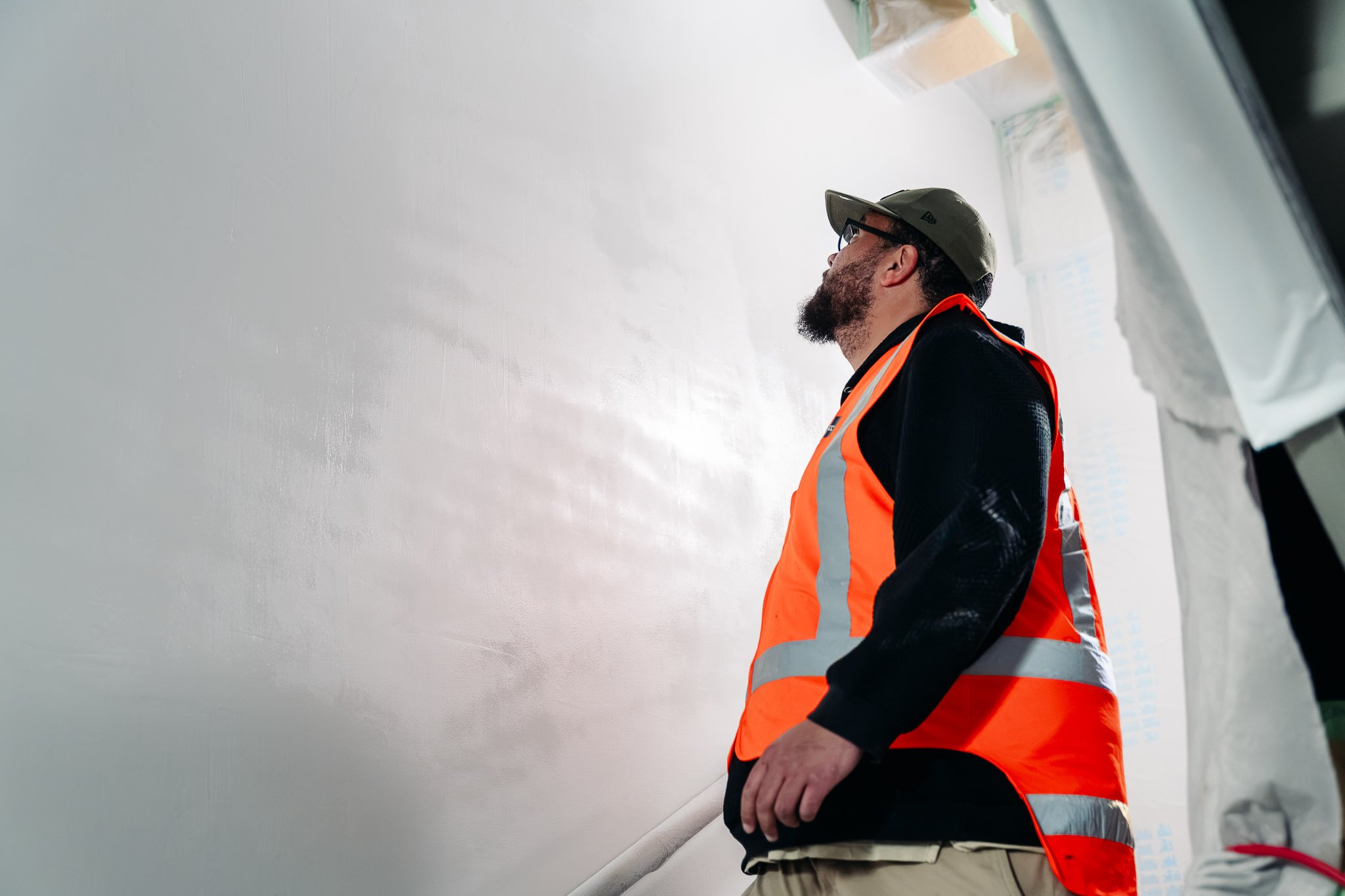
Dry film thickness should be measured with calibrated equipment and assessed against the complete specification. An acceptable average can conceal local areas below the minimum, while excessive thickness may cause cracking, solvent entrapment or curing problems.
6. Plan for ongoing maintenance
No coating system lasts forever. Industrial maintenance painting is most effective when it is planned rather than reactive. Regular inspections allow local defects to be repaired before corrosion becomes widespread and more expensive to address.
Maintenance decisions should be based on a condition assessment covering coating adhesion, corrosion distribution, underfilm deterioration, steel condition, contamination, compatibility and the practicality of local repair versus full removal and replacement.
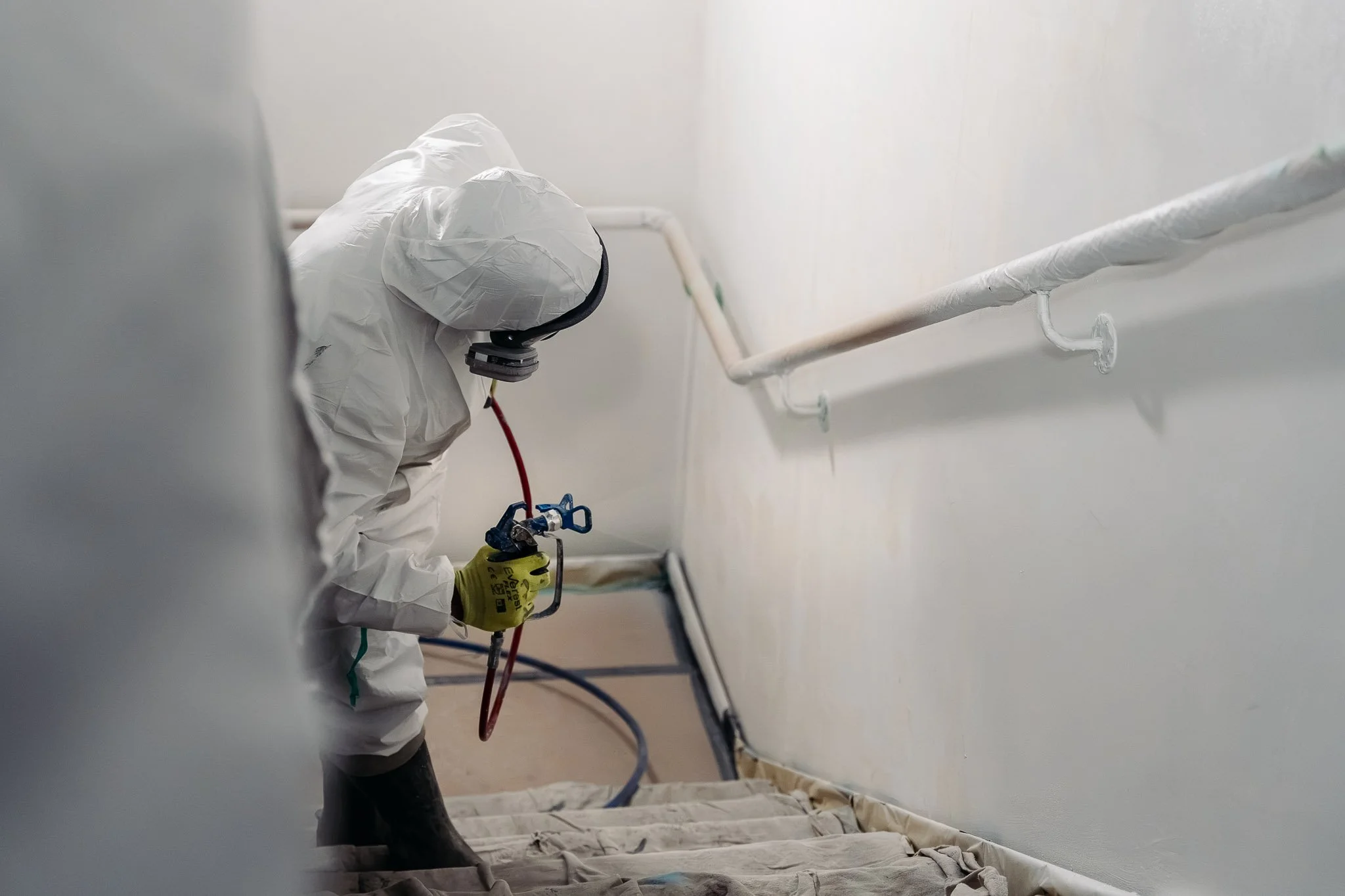
The lowest initial coating cost does not always produce the lowest lifecycle cost. Access, containment, shutdowns and operational disruption can make future maintenance significantly more expensive than the original work.
CAKE delivers protective coatings and maintenance across New Zealand.
Corrosion protection in demanding environments
CAKE delivers corrosion protection across New Zealand in environments that place very different demands on a coating system.
| Environment | Key considerations |
|---|---|
| Wastewater | Persistent moisture, hydrogen sulphide, chemical attack and confined-space conditions may require specialised systems and strict ventilation, isolation and curing controls. |
| Marine and coastal | Chlorides, humidity and frequent wetting increase risk. Soluble salt control, edge protection and prompt repair of damage are critical. |
| Oil, gas and processing | Chemicals, hydrocarbons, temperature and washdown influence selection. Atmospheric coatings and internal tank linings perform different functions. |
| Power and transport | Access limitations, live assets, traffic management, containment and hazardous legacy coatings can materially affect the maintenance approach. |
Frequently asked questions
What is the best way to prevent corrosion on structural steel?
Combine appropriate steel detailing, environmental assessment, surface preparation, coating selection, controlled application, quality assurance and planned maintenance. No single product is suitable for every environment.
Can you paint over rust?
Not reliably with a conventional protective system. Corrosion, failed coating and contamination should be removed to the standard required by the selected coating system.
Is Sa 2.5 preparation always required?
No. It is commonly specified for high-performance systems, but the required preparation depends on the coating, exposure, substrate condition and intended service life.
Why is dry film thickness important?
Too little coating may leave the steel inadequately protected. Excessive thickness can also create defects, so readings must be assessed against the full specification.
How are corrosion and fire-protection coatings different?
Protective coatings resist corrosion and environmental exposure. Intumescent coatings react during fire to insulate structural steel. Primer, intumescent and topcoat compatibility is critical. CAKE applies both.
Talk to CAKE About Corrosion Protection
The cost of corrosion is rarely the coating itself. It is the disruption, access costs, lost asset life and unplanned maintenance that result when a coating system is not properly designed, applied or maintained.

CAKE works with asset owners, engineers, consultants and contractors across New Zealand to solve complex corrosion challenges in wastewater, marine, industrial, power, transport and commercial environments.
Whether you are planning a new asset, assessing coating deterioration or developing a long-term maintenance strategy, our team can help identify the most practical and cost-effective solution for your environment and operational requirements.
From specification review and condition assessments through to surface preparation, coating application and quality assurance, CAKE provides end-to-end technical solutions to protect critical assets from corrosion.
Contact CAKE today to discuss your project, arrange a site assessment or request expert advice on corrosion protection and asset durability.